.png)

Accurate Cost Estimation for Excavation: Methods That Work
When planning any construction or landscaping project, understanding the cost estimation for excavation is crucial. Excavation is often one of the first and most significant steps in site preparation. Getting an accurate estimate helps avoid surprises, keeps the project on budget, and ensures smooth progress. I want to share practical methods and insights that will help you estimate excavation costs confidently and precisely.
Understanding Cost Estimation for Excavation
Excavation cost estimation involves calculating the expenses related to digging, moving, and removing soil or rock from a site. These costs can vary widely depending on several factors:
Size and depth of the excavation
Soil type and condition
Equipment needed
Labor costs
Disposal or hauling of excavated material
Site accessibility and location
Knowing these variables helps create a realistic budget. For example, digging in rocky soil requires more effort and specialized equipment, increasing costs. Similarly, if the site is hard to access, machinery may take longer to operate, adding to labor expenses.
To get a reliable cost estimate, you need to break down the project into measurable components. This approach allows you to identify where costs come from and adjust your plan accordingly.
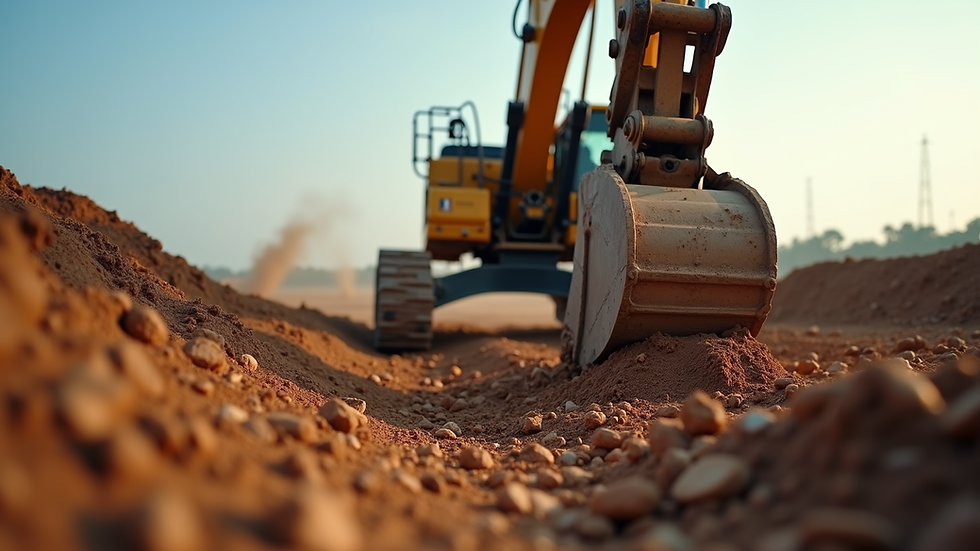
Key Factors Influencing Excavation Costs
Several factors directly impact the overall excavation cost. Understanding these will help you anticipate expenses and avoid underestimating your budget.
1. Project Size and Scope
The volume of soil to be removed is the primary driver of cost. Larger projects require more time, labor, and equipment. It’s essential to measure the area and depth accurately to calculate the total cubic yards or meters of material to be excavated.
2. Soil Type and Conditions
Different soil types affect excavation difficulty. Sandy or loose soil is easier to dig but may require shoring to prevent collapse. Clay or rocky soil is harder to excavate and may need heavy-duty machinery. Wet or unstable soil can also slow down work and increase costs.
3. Equipment and Labor
The type of equipment used depends on the project size and soil conditions. Common machinery includes backhoes, bulldozers, and excavators. Labor costs vary based on local wages and the skill level required. Efficient equipment and experienced operators can reduce time and cost.
4. Hauling and Disposal
Removing excavated material from the site adds to the cost. If the soil is clean and reusable, you might save money by repurposing it. Otherwise, hauling to a landfill or recycling center incurs fees. Distance to disposal sites also affects hauling costs.
5. Site Accessibility
If the site is difficult to access due to narrow roads, steep slopes, or urban restrictions, excavation becomes more complex and expensive. Planning for these challenges upfront helps avoid delays and extra charges.
How to Calculate How Much Dirt to Excavate?
Calculating the volume of dirt to be excavated is a critical step in cost estimation. Here’s a straightforward method to do it:
Step 1: Measure the Area
Determine the length and width of the excavation site. Use a tape measure or site plans for accuracy.
Step 2: Determine the Depth
Measure the average depth of the excavation. If the depth varies, calculate the average by adding the deepest and shallowest points and dividing by two.
Step 3: Calculate Volume
Multiply the length, width, and depth to get the volume in cubic feet or meters.
Example:
Length: 50 feet
Width: 30 feet
Depth: 5 feet
Volume = 50 x 30 x 5 = 7,500 cubic feet
Step 4: Convert to Cubic Yards
Since excavation is often measured in cubic yards, divide the cubic feet by 27 (1 cubic yard = 27 cubic feet).
7,500 ÷ 27 ≈ 278 cubic yards
This volume is the amount of dirt to be excavated, which you can use to estimate equipment time, labor, and hauling needs.
Step 5: Adjust for Soil Compaction
Keep in mind that soil expands when dug up (called swell factor). Typically, add 10-30% to the volume to account for this.
278 cubic yards x 1.2 (20% swell) = 334 cubic yards
This adjusted volume gives a more accurate estimate of the material to handle.
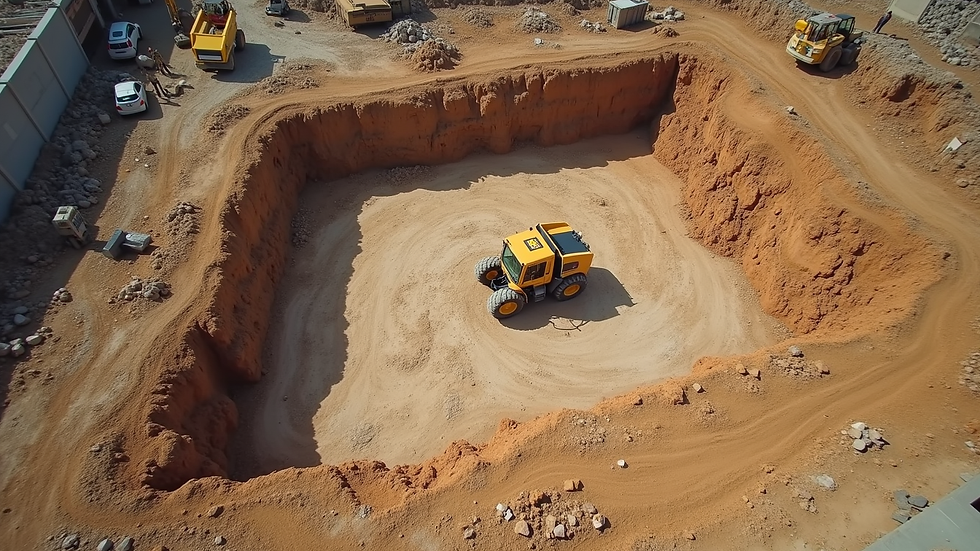
Practical Methods for Accurate Excavation Cost Estimation
To get the most accurate excavation cost estimate, I recommend combining several methods:
1. Unit Price Estimation
This method involves calculating costs based on the volume of material excavated. You multiply the total cubic yards by a unit price per cubic yard, which includes labor, equipment, and disposal.
Example:
Unit price: $15 per cubic yard
Volume: 334 cubic yards
Total cost = 334 x $15 = $5,010
This method is simple and effective for straightforward projects.
2. Equipment and Labor Hour Estimation
Estimate the number of hours equipment and labor will take, then multiply by their hourly rates.
Excavator rate: $100/hour
Operator labor rate: $50/hour
Estimated hours: 40
Total cost = (100 + 50) x 40 = $6,000
This method works well when you have detailed knowledge of equipment productivity and labor efficiency.
3. Detailed Cost Breakdown
For complex projects, break down costs into categories:
Mobilization and setup
Excavation labor and equipment
Hauling and disposal
Site restoration
Estimate each category separately and sum them for the total cost. This approach helps identify cost drivers and areas for savings.
4. Use of Estimation Software
There are software tools designed for excavation cost estimation. These tools allow you to input site dimensions, soil types, and equipment details to generate detailed cost reports. While not always necessary, they can improve accuracy for large or complicated projects.
Tips to Keep Excavation Costs Under Control
Managing excavation costs is about planning and making informed decisions. Here are some tips:
Get multiple quotes from local contractors to compare prices.
Prepare the site by clearing debris and obstacles before excavation starts.
Reuse excavated soil on-site if possible to reduce hauling costs.
Schedule work during favorable weather to avoid delays.
Communicate clearly with your contractor about project scope and expectations.
By following these tips, you can avoid unexpected expenses and keep your project on track.
Why Accurate Excavation Cost Estimation Matters
Accurate cost estimation is not just about budgeting. It affects project scheduling, resource allocation, and overall success. Underestimating costs can lead to delays, compromises in quality, or even project abandonment. Overestimating may cause unnecessary spending or lost opportunities.
When you understand the factors involved and use reliable methods, you gain control over your project. You can make better decisions, negotiate effectively, and ensure your excavation work meets your needs without breaking the bank.
For those looking for a reliable excavation cost estimate, it’s important to work with experienced professionals who understand local conditions and can provide transparent pricing.
Moving Forward with Confidence
Excavation is a foundational step in many projects. Getting the cost right from the start sets the tone for everything that follows. By applying these accurate excavation cost estimation methods, you can plan effectively and avoid costly surprises.
Whether you are preparing for a new building, landscaping, or land development, take the time to measure, calculate, and analyze your excavation needs carefully. This approach will save you time, money, and stress.
If you want to ensure your excavation project is handled professionally and efficiently, consider working with trusted local experts who prioritize quality and customer satisfaction. Accurate cost estimation is the first step toward a successful project.
I hope these insights help you approach excavation cost estimation with clarity and confidence. Planning well today means building better tomorrow.
Comments